Table of Contents
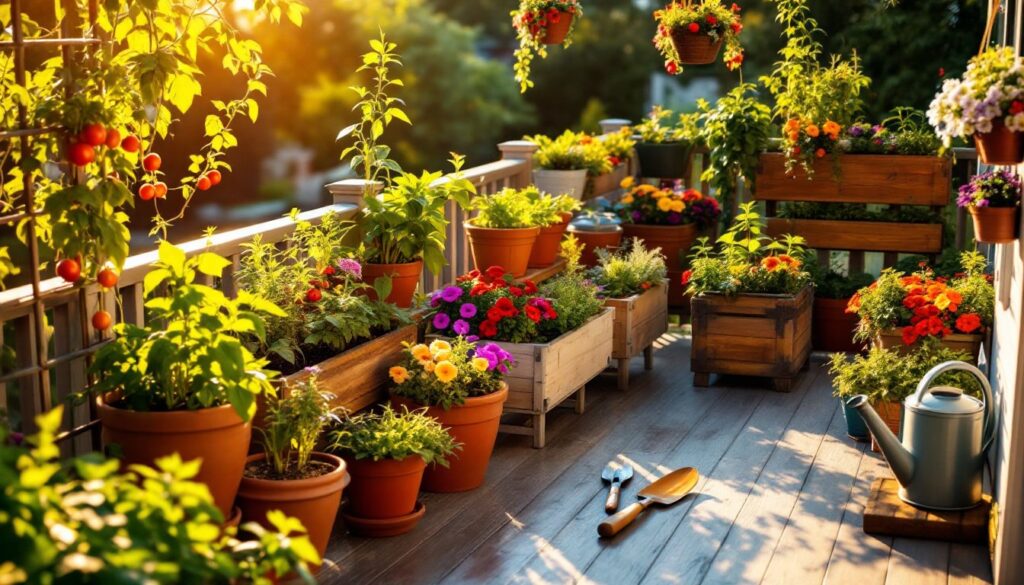
ToggleA deck doesn’t have to be just a place to sit. With the right approach, it becomes a productive garden that grows fresh herbs, vegetables, and flowers right outside your door. Deck gardening is practical for homeowners with limited yard space, and it opens up endless possibilities for year-round growing. Whether you’re working with a small balcony or a sprawling composite deck, container plants and vertical systems turn dead square footage into a thriving outdoor space. This guide walks you through proven deck garden ideas that work for beginners and experienced gardeners alike, covering everything from soil selection to layout planning.
Key Takeaways
- Deck garden ideas leverage containers and raised planters to grow fresh herbs, vegetables, and flowers in limited spaces, making productive gardening accessible for any homeowner.
- Choose containers at least 12 inches in diameter for herbs and 18–24 inches deep for vegetables, ensuring proper drainage with holes at the bottom and using quality potting mix instead of garden soil.
- Vertical gardening systems like trellises, wall-mounted pouches, and hanging baskets maximize deck space by growing upward, allowing you to cultivate 10–20 plants in minimal footprint.
- Arrange your deck garden by observing sun patterns throughout the day, grouping plants with similar watering needs, and leaving adequate space for air circulation to prevent disease and pests.
- Consistent daily watering is essential for deck gardens since containers dry faster than ground beds, especially in summer heat, while slow-release fertilizers and regular pruning encourage healthy growth and abundant harvests.
Container Gardens On Your Deck
Herb And Vegetable Containers
Containers are the easiest way to start deck gardening. They’re flexible, moveable, and you control the soil quality entirely. For herbs and vegetables, choose pots at least 12 inches in diameter for shallow-rooted herbs like basil and parsley, and 18–24 inches deep for tomatoes, peppers, and larger plants.
Drainag is non-negotiable: every container needs drainage holes in the bottom. A saucer or tray underneath catches water and protects your deck surface. Use potting mix, not garden soil, it’s lighter, drains better, and contains no compacted clay. Pro tip: mix in perlite or coarse sand to improve drainage if your potting mix feels dense.
Herbs thrive in shallow containers. Basil, cilantro, oregano, and thyme need 8–12 inches of soil depth and direct sunlight for 6+ hours daily. Vegetables demand more: cherry tomatoes, peppers, and lettuce need at least 10–12 hours of light. Dwarf varieties bred for containers, ‘Tiny Tim’ tomatoes or ‘Lunch Box’ peppers, produce well in compact spaces.
Water requirements shift with weather and sunlight. Check soil moisture daily by sticking your finger 1 inch into the mix. If it’s dry, water until it drains from the bottom. Container plants dry faster than in-ground gardens, especially in heat or wind, so daily watering is common in summer.
Raised Planter Boxes For Deck Gardening
Raised planter boxes give you more volume than containers and create a cleaner, built-in look. They’re ideal for growing multiple plants together, a mix of herbs, vegetables, and flowers in one long box.
For deck installation, weight matters. A 4 feet × 2 feet × 12 inches high planter filled with soil weighs roughly 200–250 pounds. Check your deck’s load-bearing capacity before installing multiple boxes. Composite decks typically handle this fine, but older or smaller decks may need reinforcement. When in doubt, consult a structural engineer or your deck’s documentation.
Build boxes from pressure-treated lumber (2× boards) or rot-resistant cedar. Avoid railway ties or creosote-treated wood, they leach chemicals into soil. Line the inside with landscape fabric to prevent soil from washing out, but don’t seal the bottom: plants need drainage.
Fill with a quality potting mix blended with garden compost. Raised boxes warm up faster in spring and dry quicker than in-ground beds, so consistent watering is important. Position them where they receive 8+ hours of sunlight for vegetables, or partial shade for leafy greens that bolt quickly in full heat. Raised boxes also make maintenance and harvesting easier, you’re working at waist height instead of bending over.
Vertical Wall Gardens And Trellises
Vertical gardening maximizes square footage without eating up deck space. Trellises, wall-mounted planters, and hanging systems let you grow upward instead of outward.
Trellises work beautifully for climbing vegetables like peas, beans, cucumbers, and lightweight squash varieties. Attach them to a deck railing or exterior wall using lag bolts if the deck structure supports it. Make sure the trellis is sturdy enough to handle the weight of mature plants and water. Lightweight options: wire or nylon mesh is easier to install than wooden slats and dries faster, reducing mold risk in humid climates.
Wall-mounted pouches and pocket planters pack 10–20 plants into a vertical 4-foot-square footprint. These work great for herbs, lettuces, and strawberries. They dry out quickly, so automatic drip irrigation or daily watering is essential. Ensure mounting hardware is rated for the wet weight, soil, plants, and water add up fast.
Hanging baskets suspend from deck beams or overhead structures. Trailing herbs like creeping thyme and cascading petunias look polished and free up floor space. Ensure whatever you hang from is structurally sound and rated for the load. Water hangs faster than ground-level containers, so check daily.
Low-Maintenance Deck Garden Plants
Some plants thrive on neglect, perfect for busy homeowners. Herbs like rosemary, oregano, and sage tolerate dry spells once established. Sedums and succulents need minimal water and prefer poor soil, they’re practically maintenance-free.
For vegetables, cherry tomatoes and peppers produce heavily with basic care. Once established, they need water and occasional feeding, but they don’t demand daily fussing. Bush beans mature quickly and handle inconsistent watering better than pole beans.
Leafy greens like kale, chard, and lettuce are forgiving. They prefer cool-season growing (spring and fall), bolt in summer heat, but recover well from neglect. Partial shade actually helps them during peak summer.
Flowers add visual interest without much work. Zinnias, marigolds, and calendula reseed themselves and tolerate irregular watering. Native species suited to your region require even less intervention. According to garden design principles, mixing flowers with edibles creates a more attractive and productive space.
Designing Your Deck Garden Layout
Layout planning prevents crowding and ensures every plant gets adequate sunlight. Start by observing your deck’s sun pattern. Use chalk or tape to mark where sun lands at morning, midday, and late afternoon. Most vegetables need 6–8 hours of direct sun: herbs and leafy greens tolerate partial shade.
Arrange containers by height and water needs. Put taller plants (tomatoes, beans on trellises) where they won’t shade shorter plants (lettuce, basil). Group plants with similar watering needs, this makes watering efficient and reduces over- or under-watering.
Consider deck traffic and aesthetics. Don’t block doorways or pathways with large containers. Cluster smaller pots together for a planted look: spread larger boxes across the deck’s perimeter to open up the center. Southern Living’s approach to outdoor spaces emphasizes balancing function and beauty, a productive garden can look intentional and attractive.
Account for future growth. Tomatoes sprawl: herbs spread. Leave space for pruning and air circulation, which reduces disease and pest pressure. A 3-foot clearance around planter boxes makes maintenance easier.
Essential Tools And Maintenance Tips
You don’t need fancy tools. A hand trowel, pruning shears, watering can (or hose with spray nozzle), and work gloves handle 90% of deck garden tasks. A soil moisture meter removes guesswork, stick it in containers to see if they need water. A soil pH test kit ($10–20) helps you dial in the right balance for different plants.
Watering is the biggest maintenance task. Use drip irrigation or soaker hoses to reduce water waste and keep foliage dry (wet leaves invite fungal disease). If hand-watering, water early morning and soak the soil thoroughly, a quick spritz doesn’t penetrate. In peak summer, daily watering is normal for deck gardens because containers heat up and dry fast.
Prune regularly. Pinching off tomato suckers and deadheading flowers encourages more blooms and fruit. Remove yellowed or diseased leaves immediately to prevent spread.
Feeding matters. Container plants have limited nutrient reserves. Use balanced fertilizer (10-10-10 NPK) every 2–4 weeks, or switch to slow-release pellets mixed into potting soil at planting. Herbs need less feeding than vegetables. According to comprehensive gardening guides, matching your fertilizer to the plant’s growth stage prevents nutrient burn and waste.
Watch for pests. Spider mites, aphids, and whiteflies love container gardens. Inspect plants weekly, prune affected leaves, and spray neem oil or insecticidal soap if needed. Strong water spray can dislodge pests before they establish. Deck gardens are exposed to more airflow than ground-level beds, which actually helps control pests.