Table of Contents
ToggleHome renovation ideas can turn a tired house into a space that actually works for daily life. Whether someone wants to boost resale value or simply enjoy their home more, the right strategies make all the difference. A successful renovation project requires clear planning, smart budget choices, and knowing when to call in professionals.
This guide covers practical home renovation ideas and strategies that deliver real results. From kitchen updates to bathroom refreshes, readers will find actionable tips to transform their space without wasting money or time.
Key Takeaways
- Set a realistic budget with a 15-20% buffer for unexpected expenses before starting any home renovation project.
- Focus your home renovation ideas on high-impact rooms like kitchens and bathrooms for the best return on investment.
- Simple updates like cabinet refinishing, new lighting, and fixture swaps deliver dramatic results without major costs.
- Know when to DIY and when to hire professionals—electrical, plumbing, and structural work require licensed experts.
- Maximize natural light through strategic mirror placement, lighter paint colors, and updated window treatments to make spaces feel larger.
- Get at least three contractor quotes and track spending throughout your renovation to stay on budget.
Set a Realistic Budget Before You Start
Every successful home renovation starts with a budget. Without one, costs spiral quickly, and that dream kitchen becomes a financial headache.
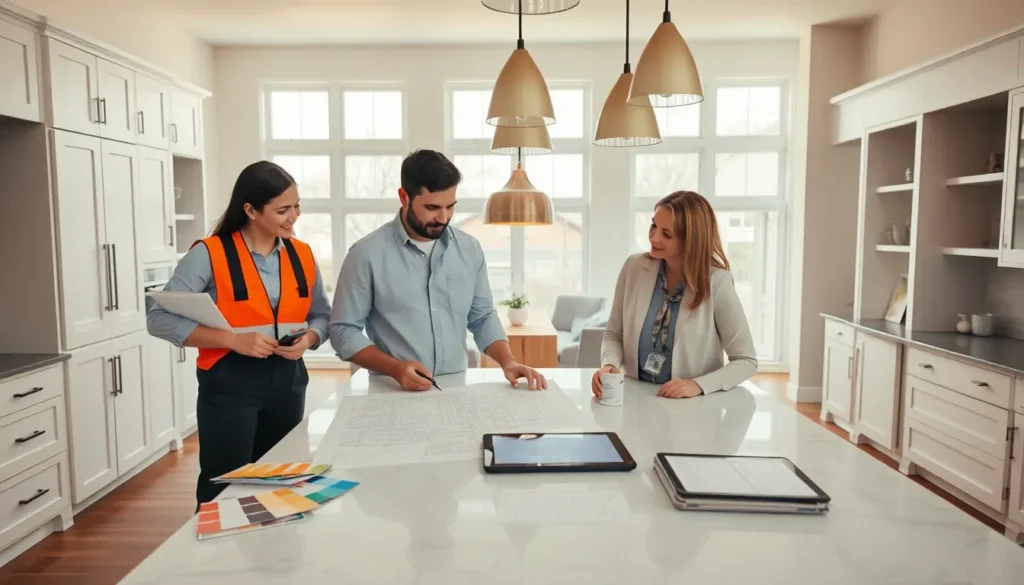
Homeowners should determine their total available funds first. Then, they should add a 15-20% buffer for unexpected expenses. Surprises happen. Old plumbing, hidden water damage, or outdated wiring can derail even the best-laid plans.
Here’s a practical approach to budgeting:
- List every project in order of priority
- Get at least three quotes from contractors for major work
- Research material costs before committing to finishes
- Track spending throughout the renovation process
Some home renovation ideas cost less than expected. Others cost more. A fresh coat of paint might run $200-500 for supplies, while a full kitchen remodel averages $25,000-75,000 depending on scope. Knowing these ranges helps homeowners set realistic expectations.
The budget also determines which home renovation strategies make sense. Limited funds? Focus on high-impact, low-cost updates. Larger budget? Consider structural changes that add square footage or improve flow.
Prioritize High-Impact Rooms
Not all rooms deliver equal return on investment. Smart home renovation ideas target spaces where updates create the biggest impact, both for daily enjoyment and resale value.
Kitchens and bathrooms consistently top the list. These rooms see heavy use, and buyers notice their condition immediately.
Kitchen Updates That Add Value
The kitchen often serves as the heart of a home. Strategic updates here can transform the entire feel of a house.
Cabinet refinishing offers dramatic results without full replacement. Painting existing cabinets and adding new hardware costs a fraction of installing new ones. White or light gray finishes remain popular choices.
Countertop upgrades make a visible difference. Quartz and granite remain strong options. Butcher block adds warmth to farmhouse-style kitchens.
Lighting changes are among the most underrated home renovation ideas. Replacing a single dated fixture with modern pendant lights instantly updates the space. Under-cabinet lighting adds both function and ambiance.
Backsplash installation creates visual interest. Subway tile remains a classic choice, while patterned tiles add personality.
Bathroom Refresh Ideas
Bathroom renovations don’t require gutting the entire space. Several home renovation strategies deliver big results on smaller budgets.
Vanity replacement changes the room’s character immediately. A floating vanity creates the illusion of more floor space in small bathrooms.
Fixture updates include faucets, showerheads, and towel bars. Matte black and brushed gold finishes are trending. These swaps take an afternoon and cost under $500.
Tile work transforms dated bathrooms. Even retiling just the floor or shower surround makes a significant impact.
Mirror upgrades often get overlooked. Swapping a basic builder-grade mirror for a framed version elevates the entire room.
Balance DIY Projects With Professional Help
Some home renovation ideas suit weekend warriors. Others require licensed professionals. Knowing the difference saves money, and prevents disasters.
Good DIY projects include:
- Painting walls and ceilings
- Installing floating shelves
- Replacing light fixtures (with power off)
- Adding crown molding
- Updating cabinet hardware
- Installing peel-and-stick backsplash
Leave these to professionals:
- Electrical work beyond simple fixture swaps
- Plumbing that involves moving pipes
- Structural changes including wall removal
- HVAC modifications
- Roof repairs
- Gas line work
The cost of hiring professionals often pays off. A botched DIY plumbing job can cause thousands in water damage. Electrical mistakes create fire hazards.
Homeowners should also consider their time. That DIY tiling project might save $1,000 in labor. But if it takes three weekends and looks uneven, was it worth it?
Home renovation strategies work best when homeowners honestly assess their skills. YouTube tutorials help, but they can’t replace years of trade experience for complex work.
Maximize Natural Light and Open Spaces
Light transforms how a space feels. Dark, cramped rooms feel smaller and less inviting. Bright, open areas feel larger and more welcoming.
These home renovation ideas increase natural light without major construction:
Window treatments matter. Heavy curtains block light. Sheer panels or blinds that fully retract let sunshine pour in.
Mirrors strategically placed reflect light deeper into rooms. A large mirror opposite a window effectively doubles the natural light.
Paint colors affect brightness. Light colors reflect more light than dark ones. White ceilings make rooms feel taller. Semi-gloss finishes reflect more light than matte.
Glass doors replace solid ones in interior applications. A glass panel door leading to a home office lets light flow between spaces.
For larger budgets, these home renovation strategies create dramatic changes:
Skylights and sun tunnels bring natural light into interior rooms. Sun tunnels work well in hallways and bathrooms without exterior walls.
Removing or opening walls between living spaces creates an open floor plan. A half-wall or kitchen pass-through maintains some separation while improving flow.
Adding windows requires permits and structural assessment but transforms dark rooms. Larger windows or additional ones change how a space functions.
Open spaces also improve traffic flow through a home. Removing visual barriers makes small homes feel significantly larger.