Table of Contents
ToggleHome renovation ideas and techniques can turn an outdated property into a functional, beautiful living space. Whether homeowners want to boost resale value or simply enjoy their surroundings more, the right approach matters. A successful renovation balances creativity with practical planning. This guide covers essential strategies, budget-friendly options, room-specific techniques, and current trends that deliver real results.
Key Takeaways
- Successful home renovation ideas start with clear goals, a realistic budget (plus 15-20% contingency), and an honest assessment of DIY vs. professional needs.
- Budget-friendly renovation techniques like fresh paint, updated hardware, and strategic lighting changes deliver high visual impact without major spending.
- Kitchen and bathroom renovations offer the highest return on investment, with cabinet updates, countertop upgrades, and modern fixtures leading the list of popular improvements.
- Smart home integration and energy-efficient upgrades are top home renovation trends that add convenience, reduce utility costs, and may qualify for tax credits.
- Multi-functional spaces, including home offices and flexible guest rooms, reflect how modern renovation ideas adapt to changing lifestyle needs.
- Natural materials, biophilic design elements, and defined zones within open floor plans create comfortable, wellness-focused living environments.
Planning Your Home Renovation Project
Every successful home renovation starts with solid planning. Homeowners who skip this step often face delays, budget overruns, and disappointing results.
Set Clear Goals First
Before picking paint colors or browsing tile samples, define what the renovation should accomplish. Is the goal to increase home value? Improve daily functionality? Create more space for a growing family? Clear objectives guide every decision that follows.
Write down specific outcomes. “Update the kitchen” is vague. “Install new countertops, replace cabinet hardware, and add under-cabinet lighting” gives direction.
Create a Realistic Budget
Home renovation ideas mean nothing without the funds to execute them. Start by researching average costs for planned updates in the local area. Then add 15-20% as a contingency for unexpected issues, because they always pop up.
Break the budget into categories:
- Materials and supplies
- Labor costs (if hiring professionals)
- Permits and inspections
- Furniture and décor
- Emergency fund
Decide DIY vs. Professional Help
Some renovation techniques suit weekend warriors perfectly. Painting walls, installing new light fixtures, or replacing cabinet knobs fall into this category. Other projects, electrical work, plumbing changes, structural modifications, require licensed professionals.
Be honest about skill levels. A botched DIY job often costs more to fix than hiring someone from the start.
Establish a Timeline
Renovation projects have a way of stretching beyond initial estimates. Build in buffer time, especially for projects that affect daily routines like kitchen or bathroom updates. Consider living arrangements if major work will make spaces unusable temporarily.
Budget-Friendly Renovation Ideas That Make an Impact
Big transformations don’t always require big spending. Smart home renovation ideas focus on high-impact changes that deliver visual and functional improvements without draining savings accounts.
Paint: The Ultimate Budget Hack
Nothing transforms a room faster than fresh paint. A single gallon costs $30-50 and covers roughly 400 square feet. Bold accent walls, updated trim colors, or simply refreshing dingy whites can make spaces feel brand new.
Don’t overlook cabinets. Painting dated oak kitchen cabinets in a modern color costs a fraction of replacement and delivers similar visual impact.
Update Hardware and Fixtures
Swapping outdated hardware creates immediate improvement. New cabinet pulls, door handles, faucets, and light fixtures modernize spaces quickly. These renovation techniques require minimal tools and basic skills.
A dated bathroom with builder-grade fixtures can feel completely different with matte black or brushed gold hardware throughout.
Refinish Rather Than Replace
Hardwood floors looking tired? Refinishing costs significantly less than installing new flooring. The same principle applies to bathtubs, countertops, and furniture pieces with good bones.
Strategic Lighting Changes
Lighting affects how every element in a room appears. Replace harsh overhead fixtures with layered lighting, ambient, task, and accent. Dimmer switches add flexibility and cost under $25 each.
Focus on Curb Appeal
Exterior home renovation ideas often get overlooked. A painted front door, updated house numbers, new mailbox, and fresh landscaping create powerful first impressions. These changes typically cost under $500 total but dramatically boost perceived home value.
Popular Room-by-Room Renovation Techniques
Different spaces demand different approaches. Here’s how to apply proven renovation techniques to the most commonly updated rooms.
Kitchen Renovation Ideas
Kitchens drive home value more than any other room. Popular techniques include:
- Cabinet updates: Reface, repaint, or replace depending on budget and cabinet condition
- Countertop upgrades: Quartz and granite remain popular: butcher block offers warmth at lower cost
- Backsplash installation: Subway tile, peel-and-stick options, or statement patterns add personality
- Appliance updates: Stainless steel still dominates, but matte black and panel-ready options grow in popularity
- Open shelving: Removing upper cabinet doors or installing floating shelves opens visual space
Bathroom Renovation Techniques
Bathrooms offer high return on investment when renovation ideas align with buyer preferences. Key techniques include:
- Replacing vanities with modern floating or furniture-style options
- Installing frameless glass shower enclosures
- Adding heated flooring (more affordable than most people think)
- Upgrading to comfort-height toilets
- Improving ventilation with quality exhaust fans
Living Room Updates
Living rooms benefit from renovation techniques that maximize comfort and functionality:
- Built-in shelving and entertainment centers
- Fireplace surrounds updated with tile or stone
- Crown molding and trim work for architectural interest
- Window treatments that control light and temperature
Bedroom Improvements
Bedrooms often need less dramatic home renovation work. Focus on:
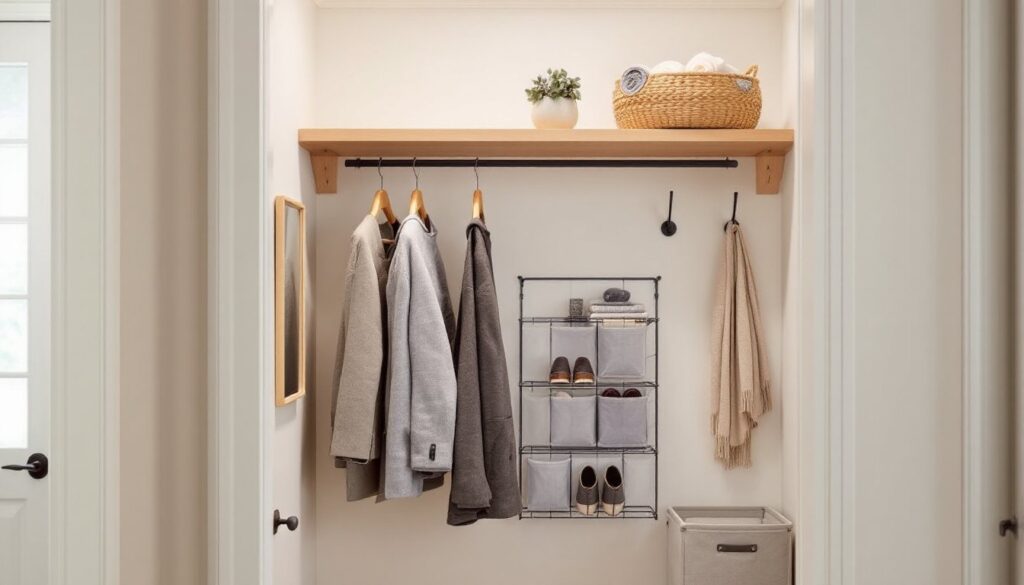
- Closet organization systems
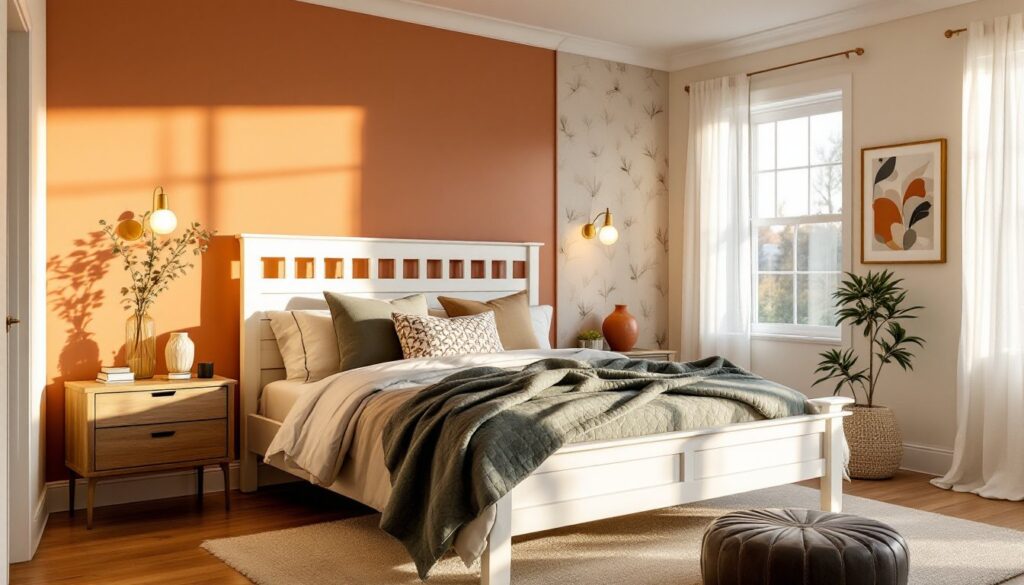
- Accent walls with paint, wallpaper, or wood paneling
- Ceiling fans for comfort and energy savings
- Blackout window treatments for better sleep
Modern Renovation Trends Worth Considering
Current home renovation ideas reflect shifting priorities around sustainability, technology, and wellness. These trends influence both design choices and renovation techniques.
Smart Home Integration
Homeowners increasingly build technology into renovation plans. Smart thermostats, automated lighting systems, video doorbells, and integrated security systems add convenience and efficiency. Wiring for these systems during renovation costs far less than retrofitting later.
Energy Efficiency Focus
Rising utility costs push energy-efficient renovation techniques to the forefront. Popular upgrades include:
- High-efficiency windows and doors
- Improved insulation in walls and attics
- LED lighting throughout
- Energy Star appliances
- Solar panel preparation (even if installation comes later)
These improvements often qualify for tax credits and rebates, reducing effective costs.
Open Floor Plan Modifications
The open floor plan craze continues, but with some evolution. Many homeowners now seek defined zones within open spaces rather than completely barrier-free layouts. Partial walls, different flooring materials, and strategic furniture placement create separation without closing off areas entirely.
Natural Materials and Biophilic Design
Home renovation ideas increasingly incorporate natural elements. Wood accents, stone features, indoor plants, and maximized natural light connect interior spaces to the outdoors. These techniques improve both aesthetics and well-being.
Multi-Functional Spaces
Remote work changed how people use their homes. Renovation techniques now often include:
- Home office nooks built into unused spaces
- Guest rooms that double as workout areas
- Mudrooms with package delivery storage
- Outdoor living spaces that extend usable square footage