Table of Contents
ToggleHome renovation ideas and tips can transform a dated property into a dream space, but only with the right approach. Whether someone plans a full home overhaul or a single-room refresh, smart planning separates success from stress. The difference between a renovation that adds value and one that drains the budget often comes down to preparation.
This guide covers practical home renovation ideas, budget strategies, and proven tips to keep any project on track. From high-impact upgrades to common pitfalls, homeowners will find everything they need to renovate with confidence.
Key Takeaways
- Set a realistic budget with a 15-20% contingency fund to handle unexpected costs that often surface during home renovations.
- Focus your home renovation ideas on kitchens and bathrooms first, as these rooms deliver the highest return on investment at resale.
- Get multiple contractor quotes, check licenses and references, and put everything in writing before starting any project.
- Obtain proper permits for structural, electrical, or plumbing work to avoid complications when selling your home or filing insurance claims.
- Avoid over-improving for your neighborhood—align renovation spending with local property values to maximize your return.
- Plan for disruption and build extra time into your timeline, as most renovation projects take longer than initially expected.
Setting a Realistic Renovation Budget
Every successful home renovation starts with a clear budget. Without one, costs spiral fast, and that dream kitchen becomes a half-finished headache.
Homeowners should first determine how much they can realistically spend. Financial experts recommend keeping renovation costs under 10-15% of the home’s current value for most projects. Going beyond this threshold rarely delivers a proportional return on investment.
Here’s a practical breakdown for budgeting:
- Get multiple quotes. Three to five contractor estimates provide a realistic price range. The lowest bid isn’t always the best, quality matters.
- Add a contingency fund. Set aside 15-20% of the total budget for unexpected issues. Older homes especially hide surprises behind walls.
- Prioritize spending. Focus money on changes that add value: kitchens, bathrooms, and structural improvements typically offer the best returns.
- Track every expense. Small purchases add up. A simple spreadsheet prevents budget creep.
Home renovation ideas often look cheaper on Pinterest than they do in practice. A $5,000 bathroom refresh can easily hit $12,000 once plumbing issues surface. Smart homeowners plan for the unexpected and avoid the trap of optimistic budgeting.
For larger projects, financing options include home equity loans, personal loans, or renovation-specific mortgages. Each carries different interest rates and repayment terms, so comparing options before committing saves money long-term.
High-Impact Renovation Ideas for Every Room
Not all home renovation ideas deliver equal value. Some upgrades dramatically improve daily living and resale potential, while others barely register. Here’s where to focus for maximum impact.
Kitchen and Bathroom Upgrades
Kitchens and bathrooms consistently rank as the most valuable rooms to renovate. Buyers notice these spaces first, and homeowners use them daily.
Kitchen improvements worth considering:
- Cabinet refacing or painting (costs 50% less than full replacement)
- Modern hardware and fixtures
- Energy-efficient appliances
- Improved lighting, especially under-cabinet LEDs
- Durable countertops like quartz or butcher block
A minor kitchen remodel averages around $26,000 and recoups roughly 72% of the investment at resale, according to Remodeling Magazine’s Cost vs. Value report.
Bathroom upgrades that pay off:
- Updated vanities and mirrors
- New tile flooring or shower surrounds
- Water-efficient toilets and faucets
- Better ventilation to prevent mold
- Heated floors (a luxury touch that buyers love)
Bathroom renovations don’t require gutting the entire space. Sometimes a fresh coat of paint, new hardware, and modern lighting create a completely different feel for under $2,000.
Living Spaces and Bedrooms
Living rooms and bedrooms benefit from subtle upgrades rather than major overhauls.
Effective living space improvements:
- Built-in shelving or storage solutions
- Hardwood flooring or quality laminate
- Crown molding and trim work
- Fresh, neutral paint colors
- Updated electrical outlets and switches
Bedroom renovation tips:
- Closet organization systems increase usable space
- New windows improve energy efficiency and natural light
- Ceiling fans reduce utility costs
- Accent walls add character without major expense
The best home renovation ideas in living spaces focus on versatility. Trendy choices date quickly: neutral upgrades appeal to more buyers and stand the test of time.
Essential Tips for a Smooth Renovation Process
Great home renovation ideas mean nothing without solid execution. These tips keep projects moving forward without major setbacks.
1. Hire the right professionals.
Check licenses, insurance, and references before signing any contract. Online reviews help, but speaking directly with past clients reveals more. A skilled contractor prevents costly mistakes that DIY enthusiasts often make.
2. Get everything in writing.
Contracts should include detailed scope of work, payment schedules, timelines, and warranty information. Verbal agreements lead to disputes. Written documentation protects everyone.
3. Obtain proper permits.
Skipping permits saves money upfront but creates problems later. Unpermitted work complicates home sales and may void insurance coverage. Check local requirements before starting any structural, electrical, or plumbing work.
4. Plan for disruption.
Renovations disrupt daily life. Kitchen remodels mean weeks without a functional cooking space. Bathroom projects require alternative arrangements. Planning ahead reduces frustration.
5. Communicate clearly and often.
Weekly check-ins with contractors prevent small issues from becoming big problems. Ask questions early. Address concerns immediately. Good communication keeps projects on schedule.
6. Stay flexible.
Even the best-planned renovations encounter surprises. A rigid attitude creates stress: flexibility allows for problem-solving. The goal is a finished project, not a perfect process.
Home renovation tips like these separate smooth projects from nightmare experiences. The upfront effort in planning pays dividends throughout the renovation journey.
Common Renovation Mistakes to Avoid
Many homeowners learn renovation lessons the hard way. Avoiding these common mistakes saves time, money, and frustration.
Underestimating timelines. Renovation projects almost always take longer than expected. A “two-week” bathroom job often stretches to four or five weeks. Build extra time into expectations, especially for projects involving permits or custom materials.
Choosing the cheapest option. Low-cost materials and labor often cost more long-term. Cheap flooring wears out. Inexperienced contractors make expensive errors. Quality investments last longer and perform better.
Ignoring the home’s style. Modern farmhouse touches in a mid-century modern home look awkward. Home renovation ideas should complement existing architecture, not fight against it.
Over-improving for the neighborhood. A $100,000 kitchen in a neighborhood of $200,000 homes won’t recoup its cost. Renovations should align with local property values to maximize return.
Skipping the planning phase. Rushing into demolition before finalizing designs leads to change orders, delays, and budget overruns. Spending extra weeks on planning prevents months of headaches.
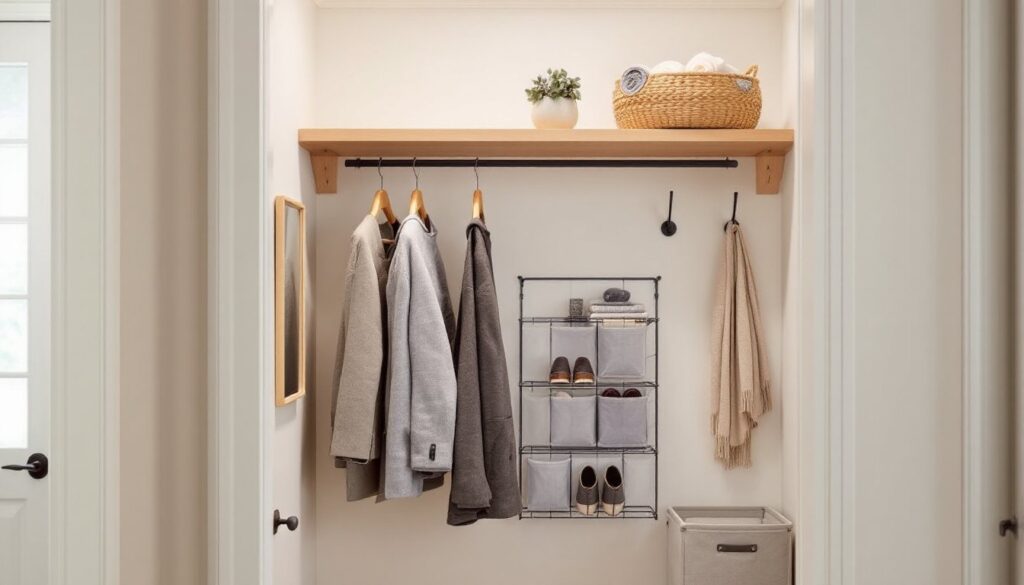
Forgetting about storage. Homeowners often overlook storage needs during renovation planning. Built-in storage and organizational systems should be part of any design conversation.
DIY overconfidence. Some projects suit handy homeowners. Electrical work, plumbing, and structural changes require licensed professionals. Mistakes in these areas pose safety risks and code violations.
Learning from others’ mistakes is cheaper than making them personally. These home renovation tips help homeowners sidestep the most common pitfalls.