Table of Contents
ToggleFinding the right home renovation ideas can transform a dated house into a dream space. Whether someone wants to update a single room or overhaul an entire property, the process starts with smart planning and creative inspiration. Homeowners often feel overwhelmed by the sheer number of options available. The key lies in matching renovation choices to personal needs, budget constraints, and the home’s existing character. This guide breaks down practical strategies for discovering renovation ideas that work, from initial assessment to final execution.
Key Takeaways
- Start your home renovation by assessing problem areas and setting priorities based on functional needs, budget, and how long you plan to stay.
- Budget-friendly home renovation ideas like paint, hardware swaps, and lighting upgrades deliver dramatic impact without major costs.
- Kitchens and bathrooms offer the highest return on investment and should be prioritized for resale value.
- Always get multiple contractor quotes and set aside a 15-20% contingency fund for unexpected issues.
- Phase large renovation projects one room at a time to reduce financial strain and achieve better results.
- Document everything with photos and written contracts to protect yourself for insurance, warranties, and future home sales.
Assess Your Home And Set Your Priorities
Before diving into Pinterest boards or design magazines, homeowners should walk through their space with fresh eyes. This assessment reveals what truly needs attention versus what simply feels outdated.
Start by listing problem areas. Does the kitchen lack storage? Are the bathrooms showing their age? Is the living room layout awkward for daily life? These functional issues should top the priority list. Cosmetic updates can wait: structural and practical concerns deserve immediate focus.
Next, consider the home’s architectural style. A 1920s bungalow calls for different renovation ideas than a 1990s colonial. Working with existing bones, rather than against them, typically yields better results and costs less money.
Homeowners should also think about how long they plan to stay. Someone preparing to sell within two years might prioritize high-ROI updates like kitchen refreshes and curb appeal. Those settling in for the long haul can focus on personal preferences and lifestyle needs.
Finally, take stock of what’s working. Good home renovation ideas don’t require gutting everything. Sometimes the best approach preserves strong elements while addressing weak spots. A solid foundation of priorities prevents scattered decisions and wasted budgets later.
Budget-Friendly Renovation Ideas That Make A Big Impact
Not every home renovation idea requires a contractor or a second mortgage. Some of the most effective updates cost surprisingly little.
Paint transforms everything. A fresh coat in a modern color can make dated rooms feel current. Painting kitchen cabinets instead of replacing them saves thousands while delivering dramatic change. Dark rooms brighten instantly with lighter shades on walls and trim.
Hardware swaps work magic. Replacing cabinet pulls, door handles, and light fixtures updates a space without demolition. This simple renovation idea costs a few hundred dollars but shifts the entire visual tone of a room.
Lighting upgrades punch above their weight. Swapping builder-grade fixtures for statement pieces adds personality. Adding dimmer switches creates ambiance. Under-cabinet lighting in kitchens improves function and style simultaneously.
Flooring alternatives exist. Luxury vinyl plank mimics hardwood at a fraction of the cost. Refinishing existing wood floors costs less than replacement. Even strategic area rugs can disguise worn carpet until a bigger budget allows full replacement.
Landscaping boosts curb appeal fast. Fresh mulch, trimmed hedges, and a painted front door create strong first impressions. These outdoor home renovation ideas often cost under $500 but increase perceived property value significantly.
The smartest renovators pick battles carefully. They invest heavily in a few high-impact areas while using budget tricks elsewhere.
Popular Room-By-Room Renovation Inspiration
Different rooms benefit from different renovation approaches. Here’s what works in each major space.
Kitchen Renovation Ideas
Kitchens remain the heart of home renovation ideas for good reason, they affect daily life and resale value equally. Popular updates include:
- Open shelving to replace upper cabinets (adds airiness)
- Quartz or butcher block countertops replacing laminate
- Subway tile backsplashes for timeless appeal
- Larger islands with seating for casual dining
- Upgraded appliances in stainless or panel-ready finishes
Bathroom Renovation Ideas
Bathrooms offer high impact in small square footage. Trending updates include walk-in showers replacing tubs, floating vanities for modern aesthetics, and heated floors for comfort. Simple changes like new mirrors, faucets, and towel bars refresh bathrooms without full remodels.
Living Room Updates
Living spaces benefit from layout changes and architectural additions. Built-in shelving creates storage and character. Fireplace surrounds can be updated with tile or shiplap. Removing dated popcorn ceilings modernizes older homes instantly.
Bedroom Improvements
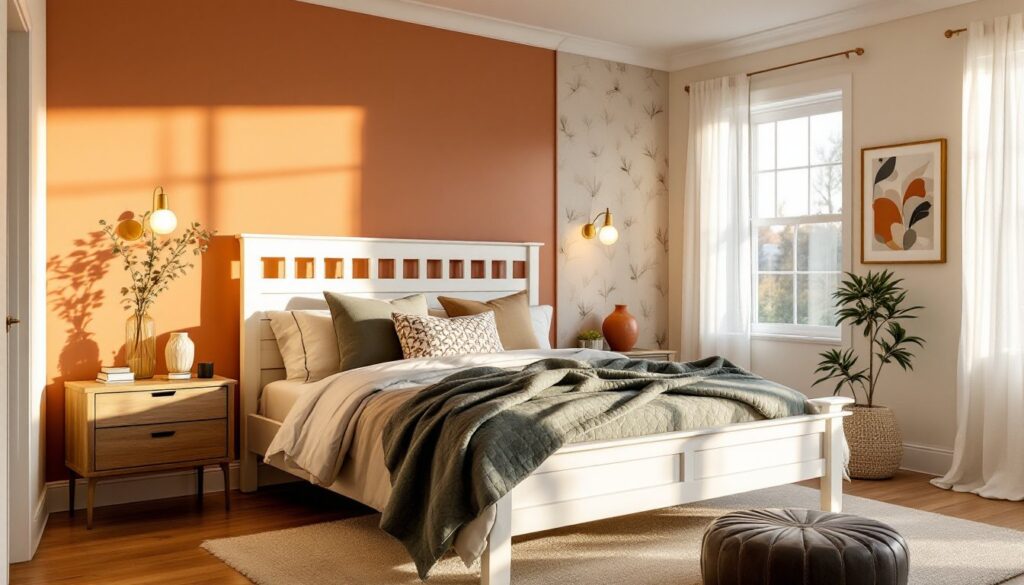
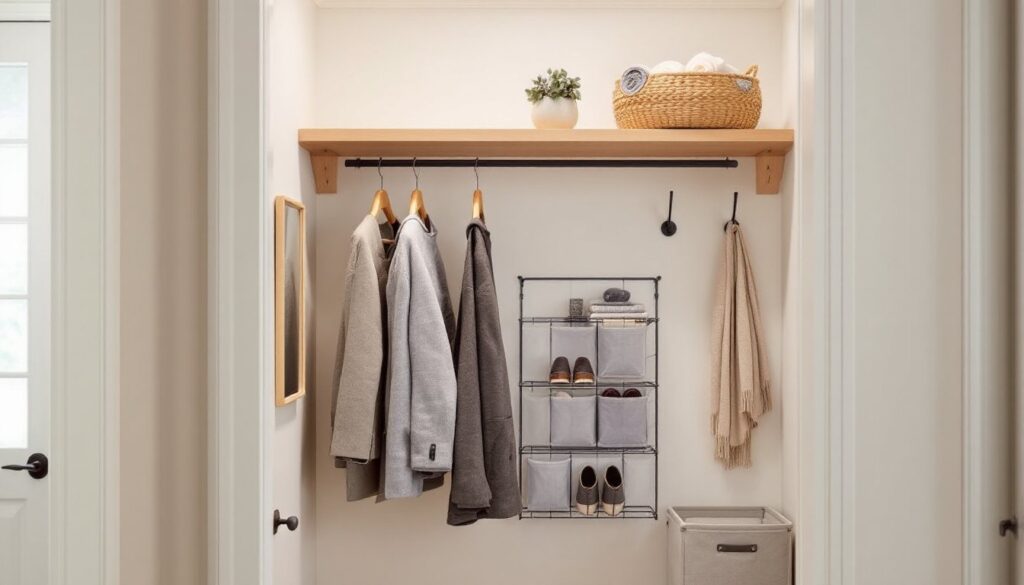
Bedroom renovation ideas often focus on closet systems, custom organizers maximize storage in limited space. Accent walls behind beds add visual interest. Window treatments that block light improve sleep quality and room aesthetics.
Outdoor Living Spaces
Decks, patios, and porches extend usable square footage. Popular home renovation ideas include composite decking, outdoor kitchens, and covered pergolas. These spaces deliver excellent return on investment in most markets.
Tips For Planning And Executing Your Renovation
Great home renovation ideas fail without solid execution. These strategies keep projects on track.
Get multiple quotes. Three contractor estimates reveal fair market pricing. Lowball bids often signal cut corners or hidden costs later. The middle quote usually represents reasonable value.
Build in a contingency fund. Experienced renovators set aside 15-20% beyond their base budget. Unexpected issues, old wiring, hidden water damage, supply chain delays, appear in almost every project. This buffer prevents financial stress when surprises emerge.
Sequence work logically. Demolition comes first, then structural changes, then mechanical systems (plumbing, electrical, HVAC), then finishes. Homeowners who understand this order make better decisions about timing and can identify contractor mistakes early.
Live with samples before committing. Paint swatches look different under home lighting than store lighting. Tile samples reveal texture and scale better than photos. Fabric choices need testing against existing furniture. Taking samples home prevents expensive regrets.
Document everything. Photographs before, during, and after renovation prove valuable for insurance, future sales, and warranty claims. Written contracts with contractors should specify materials, timelines, payment schedules, and change-order procedures.
Phase large projects. Rome wasn’t built in a day, and neither is a full home renovation. Tackling one room or system at a time reduces financial strain and decision fatigue. Many homeowners find this approach produces better results than rushing through multiple simultaneous projects.