Table of Contents
ToggleA child’s bedroom is more than just a place to sleep, it’s a personal sanctuary, a study space, and a playground all rolled into one. Whether you’re redesigning a toddler’s room or refreshing a teenager’s retreat, thoughtful bedroom design can support your child’s development, creativity, and independence. The challenge is balancing function with personality while keeping the space adaptable as your child grows. This guide walks you through seven practical ideas to create a room that works as hard as your kid does.
Key Takeaways
- A functional bedroom layout should separate sleeping, playing, and study zones with at least 2 feet of clear floor space around the bed for safety and movement.
- Choose a neutral wall color like soft gray or pale blue as a base for children’s bedroom ideas, allowing you to swap accent colors as your child’s interests evolve without repainting.
- Smart storage solutions using clear bins, accessible shelving, and child-height closet rods make it easy for kids to organize their toys, books, and clothes independently.
- Incorporate layered lighting with a ceiling fixture, adjustable desk lamp, bedside light, and dimmer switch to support both focus during homework and relaxation at bedtime.
- Add personality through removable wall decals, gallery walls of artwork, and themed textiles rather than permanent fixtures, allowing the room to grow and adapt as your child ages.
Create a Functional Layout That Grows With Your Child
The foundation of any good bedroom is a layout that makes sense for how your child actually uses the space. Start by identifying the three zones: sleeping, playing/creative, and studying. Arrange furniture to keep these areas visually distinct without cramming everything together.
Consider traffic flow from the door to the closet and bathroom. A cluttered pathway creates frustration and safety hazards, especially for younger kids navigating in the dark. Leave at least 2 feet of clear floor space around the bed so your child can safely move around it.
Future-proof your layout by choosing furniture that scales with your child. A twin bed frame works for years, but avoid built-in shelving units that lock you into one configuration. Modular pieces, rolling carts, stackable cubes, and adjustable desks, adapt as your child’s needs change from playing to assignments to hobbies.
If your child is tall or the room is tight, a loft bed with a desk or play area underneath maximizes vertical space. Many companies offer modular loft systems, but you can also build one with 2×8 joists and 1/2-inch plywood decking if you’re comfortable with basic carpentry. Just ensure proper railings meet IRC standards (typically 36 inches high, with no gaps larger than 4 inches) and weight rating matches your needs.
Don’t forget about access to windows for natural light and ventilation. Positioning the bed away from windows helps reduce glare and drafts, and it keeps the sleep zone visually separate from play areas.
Choose a Color Palette That Sets the Right Mood
Color is one of the most powerful tools you have, it shapes the room’s mood and can even influence your child’s behavior and focus. Before you paint, think about what the room needs to support: calm for a younger child who struggles with sleep, or energizing for a study space.
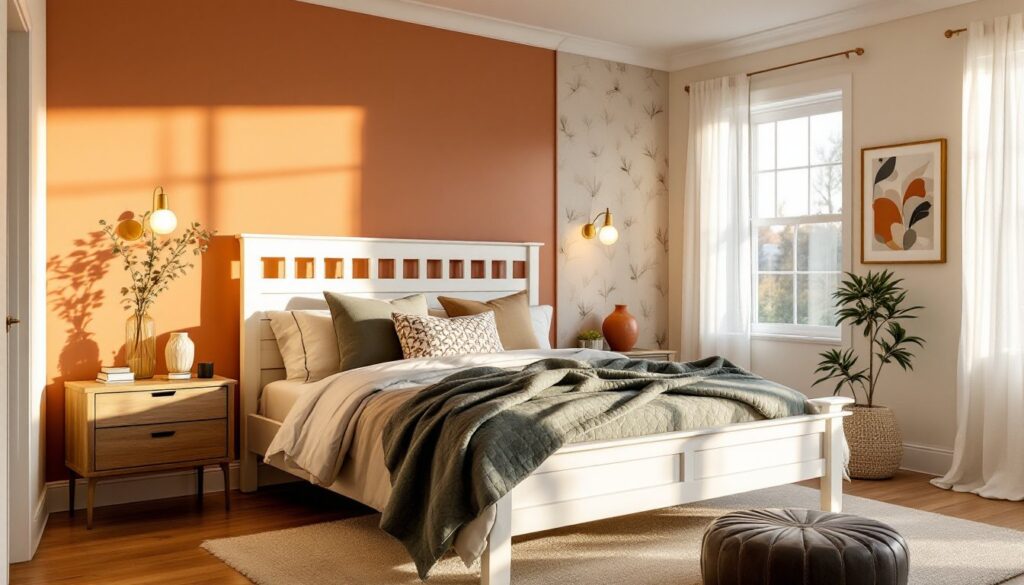
A neutral base like soft gray, warm beige, or pale blue works well for walls, especially if you plan to swap accent colors as your child’s interests evolve. Neutral bases also make it easier to add wall decals, artwork, and themed touches without the room feeling cluttered. Paint at least two coats of quality interior latex paint (not contractor-grade cheap stuff, it doesn’t cover or wash well). Plan for about 400 square feet of coverage per gallon on smooth drywall.
Understanding Color Psychology for Kids’ Rooms
Blues and greens are calming, making them ideal for bedrooms where rest is the priority. Warm yellows and oranges spark creativity and playfulness, suiting a craft corner. Reds and deep purples can energize but may overstimulate before bedtime if used on large wall areas, try them as accent walls or in decor instead.
For kids prone to anxiety, avoid overly dark or intense colors. Instead, opt for lighter, softer versions, dusty pink instead of hot pink, sage instead of bright green. If your child has strong color preferences, honor them within reason: a child who picks a specific color is more invested in maintaining the space.
Consider the room’s natural light. A north-facing room with cool light benefits from warmer paint colors, while a south-facing room can handle cooler tones without feeling drab. Always test paint samples on the wall and observe them at different times of day.
Design Smart Storage Solutions That Keep Clutter at Bay
Children accumulate fast, toys, books, clothes, art supplies, sports gear. Without smart storage, the room becomes a frustration pit. The key is matching storage type to what’s being stored and making it easy for your child to put things away independently.
Use clear plastic bins for toys and seasonal items. Kids are more likely to use storage they can see into without opening. Label bins with pictures and words so even pre-readers know what goes where. Shallow bins work better than deep ones: a child won’t dig to the bottom of a two-foot-deep bin to find a toy.
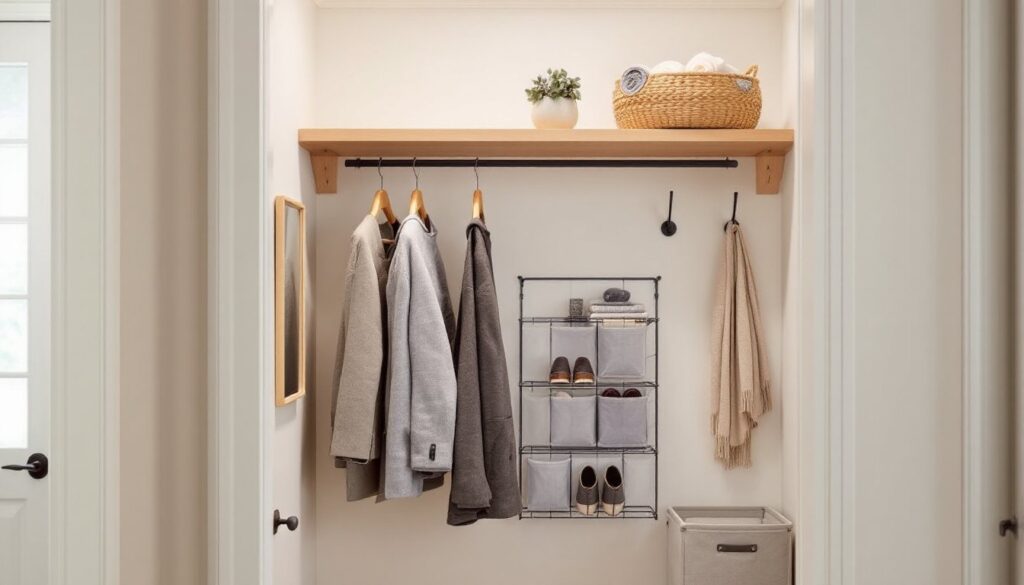
For clothes, install a closet rod at an appropriate height so your child can hang items without stretching. Use slim hangers to maximize space, and group items by type (shirts, pants, dresses). A small dresser works for items that don’t hang. Avoid oversized dressers that dwarf a small room, a 3-drawer dresser sized for a child uses less floor space and feels less imposing.
Books deserve accessible, visible storage. Open shelving (not behind cabinet doors) encourages reading. Mount 5/8-inch wood shelves on 14-gauge steel brackets to handle the weight of books without sagging. Standard shelves for kids’ rooms are 36 inches wide, wide enough to display books spine-out, making covers visible.
Incorporate wall space with pegboards or wall-mounted shelving cubes. These are flexible, affordable, and let your child display favorites. Avoid overloading, a few carefully chosen items beat a chaotic wall of clutter. Rotate artwork and decorations seasonally so the room stays fresh without expensive updates.
For sports equipment, wall-mounted racks and hooks keep gear visible and accessible. A baseball bat rack, bike hook, or guitar stand becomes decor and function rolled into one.
Add Personality With Themed Decor and Wall Features
Theming is where a room becomes your child’s space. The key is threading one theme throughout without making it feel theme-park kitschy. Start with a theme that resonates with your child’s current interests, outer space, nature, adventure, art, sports, or a favorite book series.
Wall decals are temporary and affordable, making them perfect for kids’ rooms. Quality vinyl decals stick cleanly and peel off without damage when interests shift. Pair a few large decals with smaller accent pieces rather than covering every wall. The room should still breathe.
Wall paint treatments add depth without commitment. A stripe or color-block accent wall changes the room’s feel. If painting stripes, use a laser level and painter’s tape to keep lines straight. For a mountain silhouette or tree line, sketch the outline with pencil, then paint carefully with a steady hand (or hire someone for this one if precision isn’t your strength).
For kids who love hands-on projects, create a gallery wall of their artwork and photos. Use a mix of inexpensive frames in similar finishes, and swap out pieces as new favorites emerge. This celebrates their creativity and makes the room feel truly theirs.
Furniture hacks bring personality without major investment. Many DIYers customize furniture with paint, stencils, or contact paper. Resources like IKEA KURA bed hacks show creative ways to transform basic furniture into themed pieces. A simple bed frame becomes a fort, castle, or spaceship with the right fabric canopy and a little creativity.
Textiles, bedding, curtains, a plush rug, anchor the theme. Choose durable, washable fabrics. Kids’ rooms take spills and stains: 100% cotton or cotton-blend fabrics are forgiving and breathable, which matters for a space where your child spends 8+ hours sleeping.
Incorporate Lighting That’s Both Safe and Stylish
Lighting affects both ambiance and function. A child’s room needs layered lighting: bright task lighting for assignments and play, softer ambient lighting for winding down, and a small nightlight for safety.
Start with ceiling fixtures that diffuse light evenly. A single bare bulb creates harsh shadows and won’t support assignments or reading. Install a fixture with a frosted or fabric shade. If you’re adding a ceiling fan with light, mount it at least 7 feet from the floor (NEC requirement for safety clearance) and follow the manufacturer’s wiring instructions precisely. This is worth hiring an electrician for if you’re not comfortable with in-wall wiring.
Add a desk lamp with an adjustable arm for assignments. LED task lights consume less power and run cool, which is safer around paper and fabric. Position the light source to the side of your child’s dominant hand to avoid shadows while writing.
Bedside lighting matters for independence and safety. A small table lamp or wall-mounted swing arm lets your child control their own light without getting up. Avoid anything with exposed cords or unstable bases that could tip if bumped. Sconces (wall-mounted lights) are tidier than lamps when floor space is tight.
For ambient lighting, consider RGB LED strips behind shelving or along baseboards. These are affordable, controllable via remote or app, and create a cozy mood without being too bright. They’re also safe, LED technology generates minimal heat.
Install a dimmer switch on the main ceiling light if you’re comfortable with basic electrical work (turn off the breaker, test with a multimeter, then swap the switch). This one upgrade is worth it for bedtime routines. Many kids sleep better with the ability to gradually reduce light rather than an on/off switch.
Nightlights serve function too. A small plugged light in a hallway or bathroom outlet helps your child navigate safely without waking the whole house. Choose low-wattage options (less than 4 watts) that emit warm, not blue, light, blue suppresses melatonin and disrupts sleep.
Conclusion
A thoughtfully designed bedroom supports your child’s growth, creativity, and well-being without requiring a major renovation budget. Start with function, smart layout and storage, then layer in color, personality, and lighting to make the space distinctly theirs. As your child’s interests evolve, modular furniture and removable decor let you update without tearing everything down. The best kids’ rooms grow with the child, adapting as needs change from playroom to study space to personal retreat.