Table of Contents
ToggleYour bedroom should be a personal retreat, a space where comfort and style meet. Whether you’re working with a tight corner or a sprawling master suite, thoughtful design choices make all the difference in how well you sleep and how good the room looks. This guide walks you through seven practical upgrades that transform an ordinary bedroom into your dream space. From paint color and lighting to furniture layout and finishing touches, each idea focuses on real improvements that homeowners can tackle themselves or oversee professionally. Let’s build the bedroom you actually want to spend time in.
Key Takeaways
- Dream bedroom ideas start with a calming color palette using soft, cool tones like muted blues and sage greens to promote better sleep and relaxation.
- Invest in quality bedding and a premium mattress (lasting 8-10 years) alongside high-thread-count Egyptian cotton sheets for genuine comfort improvements.
- Optimize your bedroom layout by positioning the bed to see the door, using flanking nightstands, and maintaining 18-24 inches of clear floor space for a restful atmosphere.
- Layer your lighting with dimmers, bedside lamps, and warm-toned bulbs (2700K-3000K) while avoiding harsh overhead lighting that disrupts sleep quality.
- Personalize your space with artwork, textured elements like throws and rugs, and plants to create an intentional, retreat-like bedroom that feels uniquely yours.
- Small décor upgrades like hardware swaps, mattress toppers, and coordinated pillowcases deliver outsized impact in transforming an ordinary bedroom into your dream space.
Create a Calming Color Palette
Choosing Soothing Wall Colors and Accents
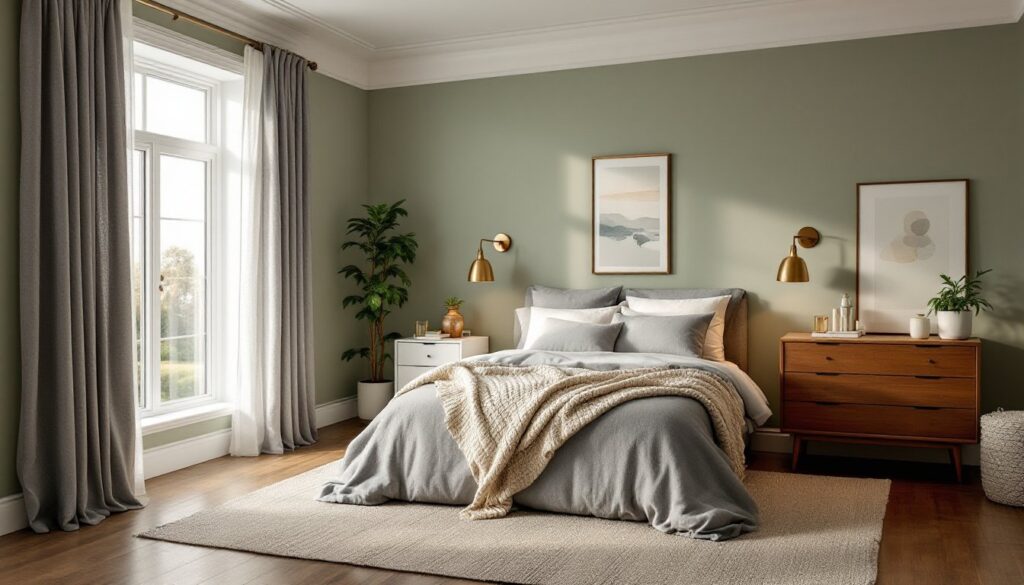
Color sets the mood before anything else lands in the room. Soft, cool tones, think muted blues, warm grays, sage greens, and taupe, calm the nervous system and encourage better sleep. Avoid high-energy reds, bright oranges, and hot yellows unless they’re used sparingly in small accents.
Start by testing paint samples on your wall in natural and artificial light. Paint a 2-foot square section and observe it morning, afternoon, and night. A color that looks soothing at noon might feel depressing under bedroom lamps. Premium interior paint (quality brands like Sherwin-Williams or Benjamin Moore hold color truer than budget options) typically covers 400 square feet per gallon on primed walls. Expect to apply two coats for even coverage.
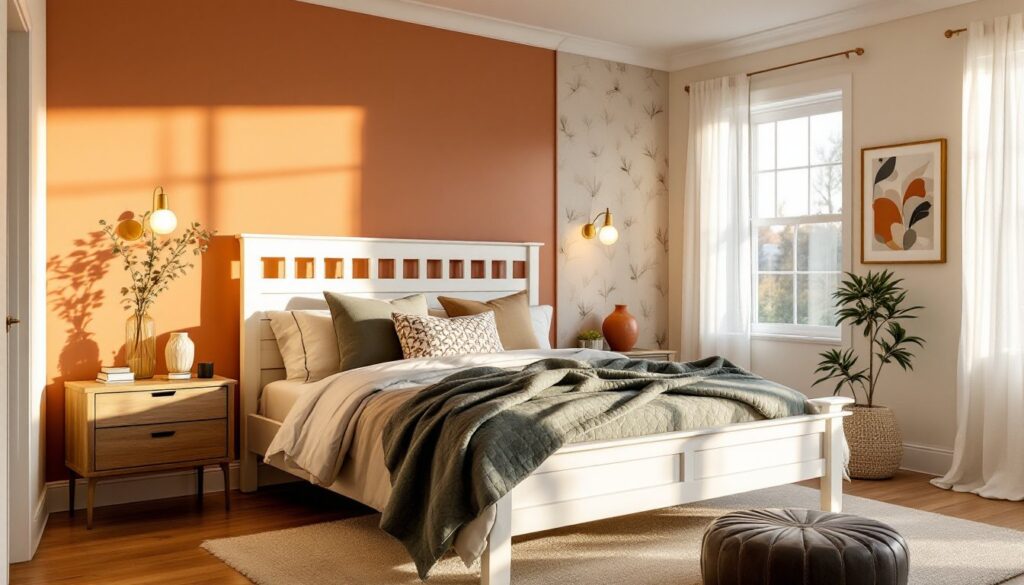
When choosing a finish, eggshell or satin work best in bedrooms, they’re more wipeable than flat paint but less glossy than semi-gloss. If you’re hesitant about committing to a wall color, use a neutral base on walls and bring calm tones into bedding, curtains, and artwork. Accent walls work too, but a single feature wall painted a slightly bolder shade of your chosen palette often delivers more impact than you’d expect.
Don’t overlook the ceiling. Most people leave it plain white, but painting it a soft tone matching your walls makes the space feel cozier and more intentional. Trim and molding in crisp white or soft gray adds definition without visual clutter.
Invest in Quality Bedding and Mattress Upgrades
Your mattress is the foundation, literally, of bedroom comfort. If you’re waking stiff or haven’t replaced your mattress in seven-plus years, upgrading should be your first major purchase. Modern mattresses come in memory foam, hybrid, latex, and innerspring designs. Test several in-store or order from retailers with strong return policies. A quality queen-size mattress ($800–$2,000) lasts 8–10 years: don’t cheap out here.
Bedding matters equally. Invest in high-thread-count sheets (Egyptian cotton, 400+ thread count) that actually feel good against your skin. Cheap polyester sheets snag, pill, and trap heat. A quality sheet set ($150–$250) transforms nightly comfort and lasts years with proper care (wash in warm water, tumble dry low).
Layering is underrated. Add a weighted blanket if you find it soothing (20–30 pounds is typical), and keep a quilt or duvet separate from your blanket for temperature flexibility. Pillows wear out too, replace them every 1–2 years and choose firmness to match your sleeping position (side sleepers generally need firmer, loft support than back sleepers). A good pillow costs $50–$150, not $15.
Design a Functional Layout for Maximum Flow
Optimizing Furniture Placement and Storage
Layout changes cost nothing but attention. Position your bed so you can see the door without lying directly in line with it, a fundamental feng shui principle that also reduces startlement when you wake. Avoid pushing the bed into a corner unless your room is tiny: it feels cramped and makes making the bed awkward.
Nightstands flank the bed at the same height as your mattress top, roughly 24–30 inches tall. They hold a lamp, alarm clock, and water glass without cluttering. If space is tight, a single slim nightstand or a floating shelf works. Place your dresser opposite or perpendicular to the bed, not blocking windows or the path to the door.
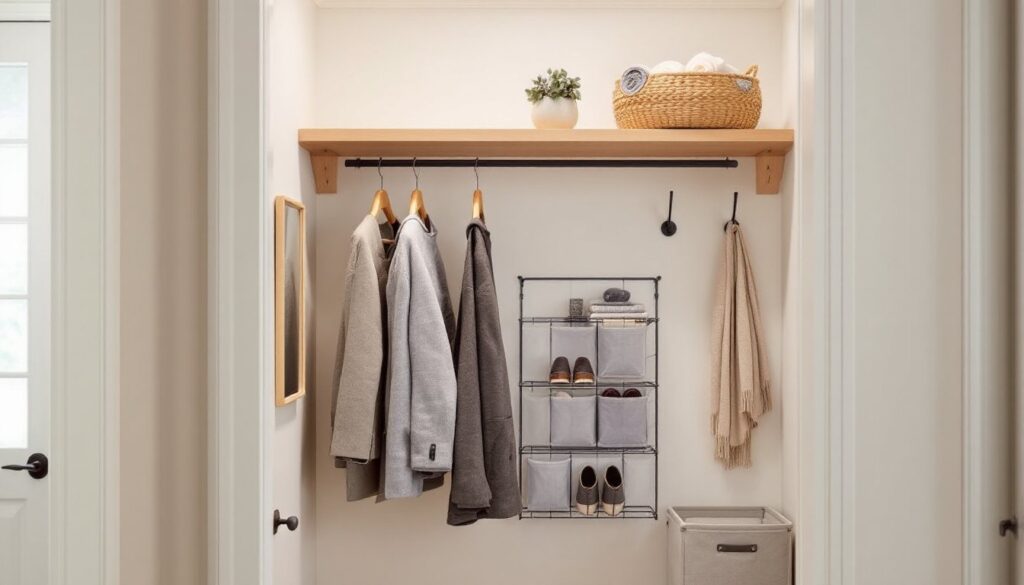
Storage is where most bedrooms fail. Build in dedicated spots for seasonal items, off-season clothes, and daily clutter. Under-bed storage boxes work (measure clearance first, most beds sit 10–14 inches high), but they gather dust. A closet system with shelving, doubled rods, or custom organizers ($500–$2,000) is worth the investment if you’re staying put. Wall-mounted shelving above a desk or dresser adds storage without floor footprint.
Leave breathing room, don’t fill every corner with furniture. A cluttered layout stresses the eyes and mind, the opposite of a restful bedroom. If the room feels small, keep furniture minimal and leave at least 18–24 inches of clear floor space around the room’s perimeter.
Enhance Lighting for Mood and Functionality
Harsh overhead lighting in a bedroom is a rookie mistake. Install a dimmer switch on your ceiling fixture so you can adjust brightness from energetic to mellow. A basic dimmer costs $15–$30 and takes one homeowner about 30 minutes to swap out (turn off power at the breaker first: if you’re uncomfortable with electrical work, hire a licensed electrician, a service call runs $100–$200).
Layer lighting with multiple sources. A bedside reading lamp (40–60 watts equivalent, warm LED bulbs) beside each pillow is essential. Pendant lights or small sconces flanking a wall-mounted headboard look polished and keep light off the ceiling. A floor lamp in the corner provides soft ambient light without directly lighting the bed.
Choose warm color temperature bulbs (2700K–3000K, labeled “soft white”) over cool white (4000K+) in bedrooms. Warm light relaxes: cool light stimulates alertness. LEDs last 15,000–25,000 hours, cost less to run, and don’t heat up like incandescent bulbs.
Blinds or blackout curtains are non-negotiable if street light or early sunrise bothers you. Thermal-lined curtains also insulate, keeping heat in winter and out in summer. Avoid sheer curtains alone, they’re pretty but ineffective at blocking light.
Add Personalized Décor Elements and Finishing Touches
After furniture and function, décor makes a room feel like yours. Artwork, whether framed prints, canvas, or original pieces, breaks up blank walls and reflects your taste. A single large piece or a gallery wall (3–5 pieces in complementary frames) works better than scattered small prints. Hang artwork 60 inches from the floor to the center of the frame as a baseline, adjusting for furniture below.
Texture adds depth without clutter. A chunky knit throw across the foot of the bed, a wool area rug beneath it, or linen curtains all introduce visual and tactile interest. Layering textures is easier and cheaper than people think, a $30 throw blanket and a $50 rug create noticeable warmth.
Plants improve air quality and bring life to the space without taking up much room. Pothos, snake plants, and monstera thrive indoors with modest light and water. Keep plants away from drafty windows and radiators. A bookshelf or floating shelves styled with books, small plants, and a few meaningful objects (photos, objects from travel) looks intentional, not cluttered.
Small upgrades deliver outsized impact. Swap out cabinet hardware on your dresser or nightstands for brass or brushed nickel pulls ($2–$8 each). A new mattress pad or topper adds comfort and extends mattress life ($100–$400). Replace flat pillowcases with design-forward alternatives that coordinate with your color scheme. These touches compound, a thoughtfully curated room feels intentional and restful.